Transform Your Home: Fresh Ideas for Impressive Home Additions
Transforming a home through thoughtful additions can substantially boost both its functionality and aesthetic appeal. From light-filled sunrooms that embrace the outdoors to spacious decks ideal for gatherings, the opportunities are endless. Growing important rooms, including kitchens, strengthens family bonds, while a garage addition can address storage challenges. Grasping key read more design principles and proper planning is critical. Yet, what truly inspires homeowners to embrace these changes? The answer is found in the extraordinary influence of thoughtfully designed home additions.
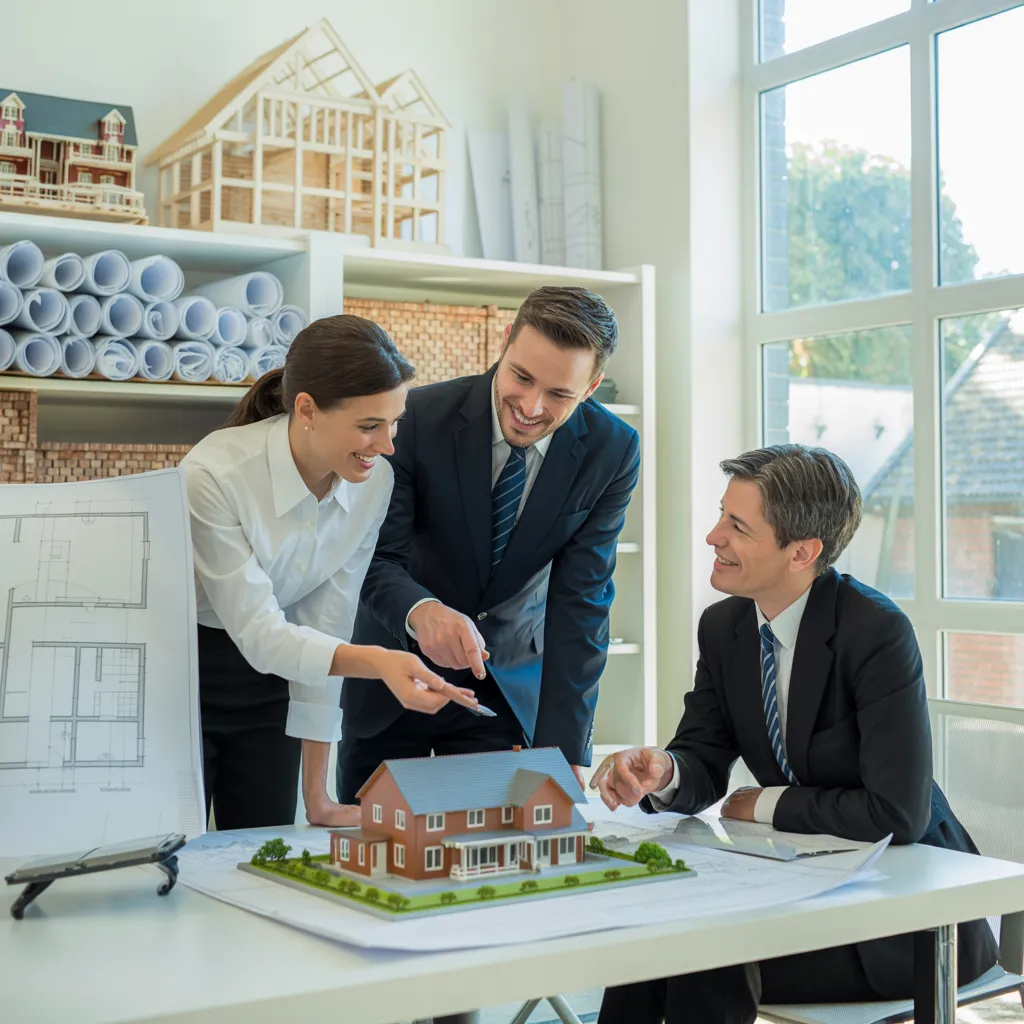
Discover Top Home Addition Ideas to Elevate Your Space
Homeowners often seek innovative ways to enhance their living environments, and discovering trending home addition concepts can provide remarkable improvements. One widely favored option is the addition of a sunroom, which allows sunlight to flow inside while forming a tranquil area for rest. A similarly desirable addition is a deck or patio, stretching the home's footprint outside and well-suited for social occasions.
Homeowners can also explore expanding their kitchens, making them more functional and inviting. Adding a garage not only offers extra storage but may also be used as a workshop or hobby space.
For homeowners requiring extra sleeping spaces, a bedroom addition can offer essential privacy and comfort. Additionally, transforming attics or basements into functional living areas offers a chance for innovative design while making the most of existing square footage. All of these concepts carry the potential to improve both practicality and visual appeal, ultimately turning a home into a more pleasant living space.
Why Home Additions Can Boost Your Lifestyle?
Home additions can significantly improve living space, offering families the opportunity to grow and adapt. Moreover, expanding a home can lead to increased property value, making it a sound investment. In addition, these expansions frequently strengthen family bonds by developing common areas for shared activities and gatherings.
Elevate Living Space
Enlarging a home through residential additions can significantly transform one's lifestyle by delivering greater functionality and comfort. For households, new rooms can accommodate evolving needs, such as a dedicated play area for kids or a private workspace for remote work. A well-designed addition can establish a natural transition between indoor and outdoor spaces, encouraging leisure and connection. Furthermore, integrating elements like large windows or open floor plans fosters a sense of spaciousness and natural connection. Upgraded home spaces also allow for personalized design choices, showcasing unique tastes and styles. In summary, home expansions not only improve current areas but also develop spaces that enhance well-being and elevate everyday living.
Improve Property Value
Putting money into home additions can greatly elevate a property's market value, making it a smart investment choice. By expanding square footage or incorporating practical areas, property owners can draw in prospective buyers and increase resale prices. Additions like new bedrooms, contemporary kitchens, or multipurpose living areas regularly produce substantial returns. Additionally, improvements such as sunrooms or outdoor decks not only elevate the home's appearance but also appeal to lifestyle desires, additionally increasing appeal. A well-planned addition can turn a residence into a more desirable asset, responding to today's market conditions and buyer interests. Ultimately, strategic home additions represent an effective strategy for enhancing overall property value while enhancing the overall living experience for current occupants.
Foster Family Connections
A thoughtfully crafted addition can greatly enhance family bonds by creating spaces that encourage interaction and unity. Open-concept floor plans, such as family rooms or large kitchens, act as hubs for collective activities, fostering communication and connection. Purpose-built areas for hobbies or playrooms offer children a place to interact, while adults can appreciate nearby social spaces. Moreover, integrating outdoor living spaces, like patios or decks, permits families to gather in a relaxed environment. These additions not only encourage everyday connections but also create a backdrop for lasting gatherings and celebrations. In the end, well-planned home additions transform living environments into supportive spaces that reinforce family ties, elevating overall quality of life.
Essential Design Elements to Enhance Your Home Addition
When property owners think about a home addition, incorporating key design components can greatly enhance both aesthetics and functionality. Essential features encompass natural light, which can be achieved through large windows or skylights, producing a warm and welcoming environment. Furthermore, an open floor plan encourages smooth transition between existing and new areas, fostering a sense of continuity.
Incorporating matching materials and hues confirms the new addition blends seamlessly with the existing structure, maintaining architectural integrity. Thoughtful placement of furniture and fixtures enhances practicality, creating a space suited for daily living. Connections to outdoor spaces, including a patio or deck, can extend living areas and encourage outdoor enjoyment. Furthermore, sustainable design approaches, featuring adequate insulation and green materials, promote enduring cost reductions and environmental stewardship. By emphasizing these critical design factors, homeowners may establish a seamless and appealing addition that transforms their living experience.
Plan Your Home Addition Project Effectively
Effective planning is vital for a successful home addition endeavor. Property owners should commence by identifying their priorities, whether it's creating more living space, enhancing functionality, or raising the home's value. Creating a solid vision serves to navigate the design and construction process. Additionally, reviewing regional zoning ordinances and construction codes is necessary to secure conformity and sidestep potential obstacles.
Developing a plan that defines every phase of the work helps with preserving focus and commitment. Property owners would benefit from hiring specialists, for example designers or contractors, for professional insight and to optimize the project.
Additionally, emphasizing communication among team members encourages teamwork and resolves challenges in a timely manner. To conclude, considering long-term needs can aid in designing an addition that remains functional over time. By applying these principles, homeowners gain the tools needed to handle their home addition projects more effectively and decisively.
Budgeting for Your Home Addition: Essential Tips
Planning the finances for a home addition necessitates meticulous planning and consideration to avoid unexpected expenses. Homeowners should begin by determining a realistic budget that includes all components of the project, such as permits, materials, labor, and unexpected costs. It is advisable to allocate an additional 10-20% of the total budget for contingencies.
Gathering and evaluating quotes from multiple contractors can offer useful information and assist in reaching well-informed choices. Moreover, property owners should weigh their necessities against their preferences, guaranteeing that key components are incorporated while staying within their budget.
Creating a comprehensive timeline can assist in coordinating expenses with development milestones, alleviating financial strain. Ultimately, consulting with a financial expert or a contractor can provide further clarity on potential costs and financing options, guaranteeing that the finances stay controlled throughout the home expansion project. This thoughtful strategy helps in achieving a prosperous and fiscally responsible property enlargement.
Real-Life Home Addition Projects That Will Inspire You
Stunning home extension upgrades reveal the extraordinary capacity of private residences. A perfect illustration is a modest single-story home that went through a remarkable transformation with a contemporary, stylish expansion. By including a generous kitchen and dining space, the owners enhanced their culinary lifestyle while creating a welcoming gathering space for family members and visitors.
Another transformation features a tiny home that extended skyward with a appealing loft, making the most of the space by incorporating a snug reading area. This smart architectural choice not only increased usability but also gave the residence a distinctive charm.
At last, a traditional ranch house adopted a current look with a glass-walled sunroom, filling the interior with an abundance of natural light and delivering magnificent vistas of the back garden.
These real-world transformations showcase the wide range of possibilities for home improvements, motivating homeowners to consider their own personalized improvements and reimagine their home surroundings.
Questions We Often Receive
What Permits Are Necessary for a Home Addition Project?
When undertaking a home addition project, it is typically necessary to obtain the appropriate building permit, approval from the zoning board, and possibly electrical or plumbing permits. Building codes and regulations vary by location, so checking with your municipal office is strongly recommended to guarantee compliance with all requirements.
How Much Time Does a Standard Home Addition Usually Take?
A standard home addition typically takes between two to six months to complete, influenced by factors such as permits, size, complexity, and weather conditions. Thorough planning and an efficient contractor can greatly affect the overall timeline.
Am I Able to Remain in My Home During the Addition Process?
Absolutely, homeowners can typically reside in their homes during the construction addition process. However, factors like the project's scale, construction location, and noise levels may affect accessibility and comfort, calling for temporary adjustments or accommodations during construction.
What Common Mistakes Should You Avoid When Planning an Addition
Frequent errors to watch out for when planning an addition include underestimating costs, overlooking required permits, disregarding structural requirements, neglecting to evaluate future demands, and overlooking the importance of professional advice. Careful planning guarantees smoother execution and better results.
What Is the Best Way to Choose the Right Contractor for My Project?
To identify the right specialist, you should review credentials, examine testimonials, and ensure clear communication. Comparing multiple bids and examining prior experience can aid in establishing trustworthiness and alignment for the individual residential expansion project.